Exploring the psychology behind casino games and player decisions
The Allure of Chance and Uncertainty
The psychology behind casino games is deeply rooted in the human attraction to chance and uncertainty. Players often experience a rush of adrenaline when wagering their money, fueled by the unpredictability of outcomes. This thrill stems from the brain’s reward system, which releases dopamine as individuals anticipate potential wins. For those interested in online options, exploring texas online casinos can provide similar excitement from the comfort of their homes. The excitement of not knowing whether a spin will yield a jackpot or a bust contributes significantly to the overall gaming experience.
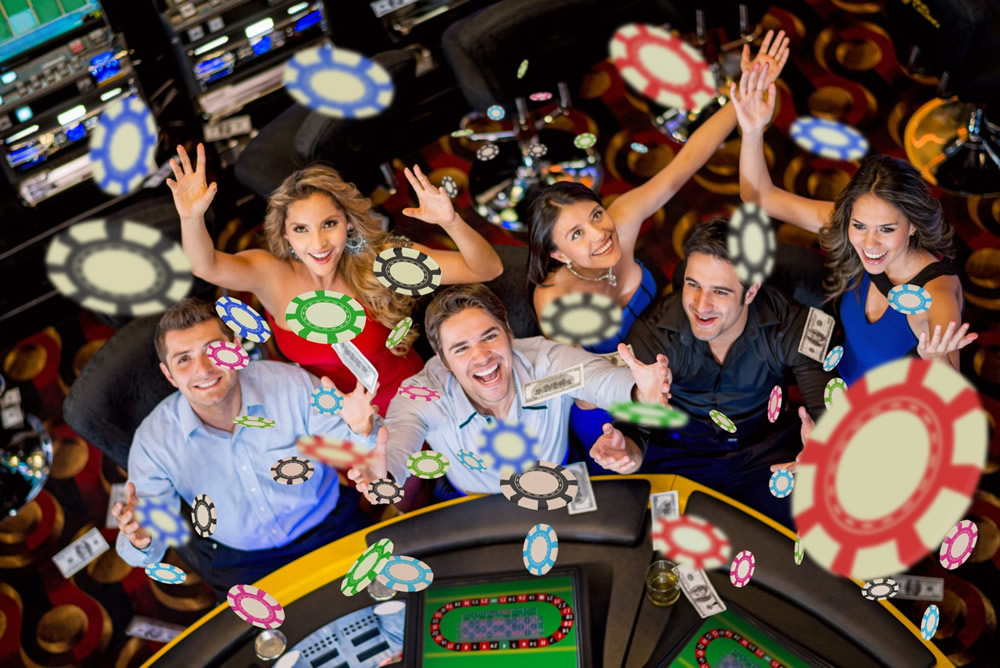
Moreover, the environment within casinos, often designed to enhance excitement, plays a crucial role. The sounds of slot machines, the cheers from table games, and the flashy lights create a sensory overload that can lead to altered states of consciousness. This atmosphere can heighten players’ senses, making them more likely to engage in risk-taking behavior, as the stimuli trigger emotional responses tied to gambling.
Cognitive Biases Influencing Player Behavior
Players often fall victim to various cognitive biases that can skew their decision-making processes in casino games. One major bias is the „gambler’s fallacy,” where players believe that past events influence future outcomes. For example, if a roulette wheel has landed on red several times in a row, a player may feel that black is „due” to come up next. This flawed reasoning can lead to increased bets and potentially significant losses, illustrating how psychology can override rational thinking.
Another cognitive aspect is the illusion of control, where players overestimate their ability to influence the outcome of games that are purely chance-based. This is particularly evident in games like blackjack, where strategic play is combined with random card distribution. Players may believe their skill gives them an edge, leading to more frequent play and higher stakes, further entrenching their involvement in the gambling experience.
The Role of Superstitions in Gambling
Superstitions play a remarkable role in the psychology of gambling, influencing player decisions in unexpected ways. Many gamblers engage in rituals or follow certain beliefs, such as wearing lucky clothing or using specific betting strategies. These behaviors are often rooted in the desire to gain control over randomness, reflecting a deeper psychological need for stability amid uncertainty.
These superstitions can be particularly strong in cultures where luck and chance are traditionally emphasized. The reinforcement of such beliefs may lead players to continue gambling, as they rely on their perceived good fortune to drive their decisions. Ultimately, understanding these superstitions reveals how deeply ingrained psychology can affect the gambling landscape.
The Impact of Emotions on Gambling Choices
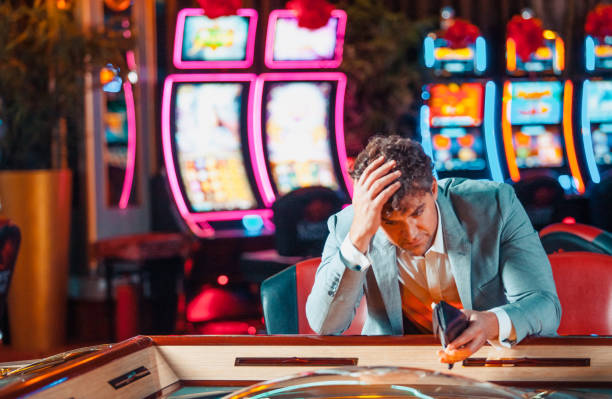
Emotions significantly impact gambling decisions, leading to choices that are not always in players’ best financial interests. High-stakes environments can evoke feelings of excitement, anxiety, or even despair as players navigate wins and losses. Emotional states can lead to impulsive behavior, such as chasing losses or increasing bets in a moment of heightened tension, which can further detract from a rational approach to gambling.
Additionally, positive emotions stemming from wins can create a feedback loop, encouraging further play. This can lead to a phenomenon known as „loss aversion,” where the pain of losing outweighs the joy of winning, driving players to gamble more extensively to recoup their losses. Recognizing the influence of emotions can empower players to make more informed, mindful decisions while gambling.
Understanding Casino Environments and Player Experience
The design of casino environments plays a pivotal role in shaping player decisions and behaviors. Casinos are meticulously crafted to be captivating and immersive, often using bright colors, engaging sounds, and enticing visuals to draw in players. These elements contribute to a spacious layout, encouraging prolonged engagement and exploration, ultimately influencing time spent and money wagered.
Furthermore, the prevalence of promotions and loyalty programs can manipulate player behavior, reinforcing the notion of „getting rewarded” for continued play. Understanding these strategies can help players approach their gaming experience more consciously and make better decisions about their time and financial investment in casinos.