The journey of gambling tracing the historical evolution of games of chance
The journey of gambling tracing the historical evolution of games of chance
Origins of Gambling: Ancient Civilizations
The roots of gambling can be traced back thousands of years to ancient civilizations such as Mesopotamia, Egypt, and China. Archaeological findings reveal that dice dating back to around 3000 BC were used for games of chance, indicating that humans have been intrigued by the outcomes of random events for millennia. Ancient Chinese records also mention the use of tiles for games similar to modern-day lottery systems, showcasing the early human fascination with taking risks for rewards. The evolution of gambling has now culminated in platforms like bet-bpexch.com/, where technology profoundly intersects with traditional games.
In ancient Rome, betting on gladiatorial games and chariot races became widespread, reflecting not only a pastime but also a method for social interaction among citizens. The Romans formalized many gambling practices, allowing citizens to wager on various events and competitions. This cultural embrace of games of chance paved the way for gambling to be integrated into social festivities, setting the stage for its evolution in the following centuries.
As time progressed, gambling spread across various cultures, adapting to local customs and norms. In medieval Europe, games like dice and cards became prevalent in taverns and gatherings, further embedding gambling into everyday life. This era marked the transition of gambling from exclusive elite circles to a more inclusive recreational activity enjoyed by the masses, illustrating its fundamental role in human society throughout history.
The Rise of Formal Gaming Institutions
The establishment of formal gaming institutions marked a significant milestone in the evolution of gambling. The emergence of the first state-sanctioned lotteries in the 16th century in Europe allowed governments to fund public projects while providing citizens an avenue for entertainment. These lotteries became incredibly popular, emphasizing the blend of chance and social responsibility, with the proceeds going toward community initiatives such as infrastructure and education.
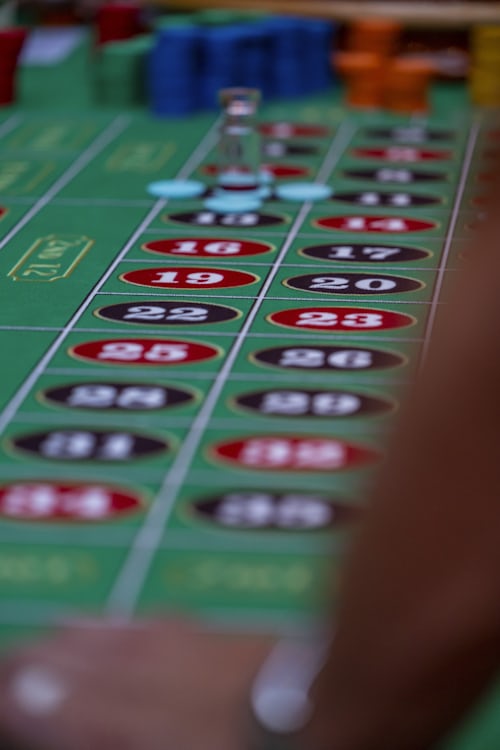
By the 17th and 18th centuries, gaming houses began to emerge in cities across Europe. These establishments offered a variety of games, including cards, dice, and roulette, creating a social hub for those looking to try their luck. The allure of wealth and the thrill of competition attracted individuals from all walks of life, establishing gambling as a central part of urban culture. This growth also led to the regulation of gambling, with governments keen to monitor and tax these lucrative ventures.
The American colonies also embraced gambling, with lotteries being used to finance the Revolutionary War. The establishment of casinos in cities like New Orleans during the early 19th century mirrored European practices, yet they began to incorporate distinctly American elements. This period was characterized by both expansion and regulation, as societies grappled with the moral implications of gambling, laying the groundwork for the debates surrounding it today.
The Impact of Technology on Gambling
Technology has dramatically transformed gambling, especially in the last few decades. The invention of the internet in the late 20th century revolutionized the way people engage with games of chance. Online casinos and sports betting platforms emerged, providing unparalleled access and convenience. Players could now enjoy their favorite games from the comfort of their homes, dramatically widening the market and leading to a surge in participation.
The rise of mobile technology further enhanced the gambling experience, as smartphones enabled players to place bets and play games anywhere and anytime. This shift not only changed the dynamics of gambling but also resulted in the development of innovative gaming experiences, including live dealer games that replicate the feel of a physical casino. The integration of sophisticated algorithms and random number generators ensured fairness and transparency, boosting player confidence.
Moreover, technology has facilitated responsible gambling measures through data analysis and player monitoring, helping to identify and mitigate problematic behaviors. Mobile applications now offer tools that allow users to set betting limits and receive alerts about their gambling patterns. This evolution highlights a dual responsibility to promote fun while ensuring player safety, reflecting a more conscientious approach to gambling in the modern age.
The Regulatory Landscape of Gambling
The regulatory framework surrounding gambling has evolved alongside its historical journey. Initially seen as a moral issue, governments began to recognize the economic potential of gambling and introduced various laws and regulations to manage it. The establishment of licensing bodies in the 20th century marked a significant step toward creating a safer and more transparent gambling environment.
In recent years, many jurisdictions have updated their gambling laws to adapt to the digital landscape, recognizing the rise of online gambling and the complexities it introduces. Regulatory bodies now focus on ensuring fair play, preventing fraud, and protecting vulnerable individuals from gambling addiction. This shift reflects a broader understanding of gambling as a public health issue, with policies aimed at promoting responsible gaming practices.
As gambling continues to evolve, so too does the regulatory landscape. With the increasing popularity of cryptocurrencies and blockchain technology, many governments are exploring how to integrate these innovations into their existing frameworks. This ongoing evolution underscores the delicate balance between fostering an enjoyable entertainment sector while safeguarding public interest, a challenge that remains at the forefront of gambling legislation worldwide.

BPExch: The Future of Online Gambling
BPExch embodies the modern evolution of gambling by providing a peer-to-peer platform that enhances user experience while promoting responsible gaming. As Pakistan’s premier online betting exchange and casino, it offers a diverse array of sports betting and casino games, allowing users to back and lay bets at competitive, user-set odds. This unique model eliminates traditional house margins, creating a more equitable gaming environment for enthusiasts.
The user-friendly registration process, secure payment options, and dedicated customer support at BPExch signify its commitment to a comprehensive gaming experience. The platform not only caters to seasoned players but also welcomes newcomers, ensuring that everyone can engage in the exciting world of gambling responsibly. With features like live dealer experiences and a range of casino games, BPExch is poised to redefine online gambling in Pakistan.
As technology continues to shape the future of gambling, platforms like BPExch are at the forefront of innovation, providing users with advanced gaming solutions while upholding high standards of integrity and security. This evolution reflects a broader trend in the industry, focusing on user empowerment and responsible gaming practices that prioritize player well-being, marking a new chapter in the journey of gambling.